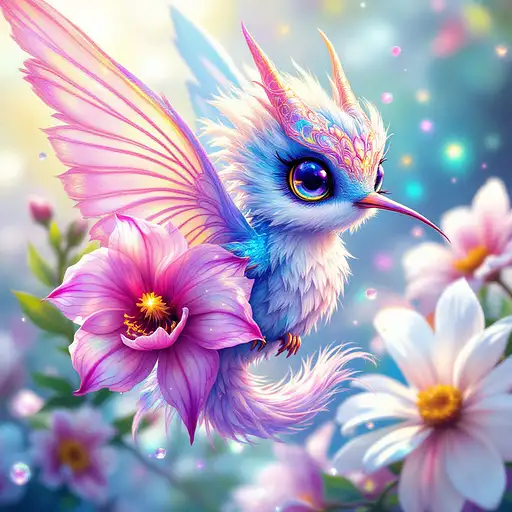
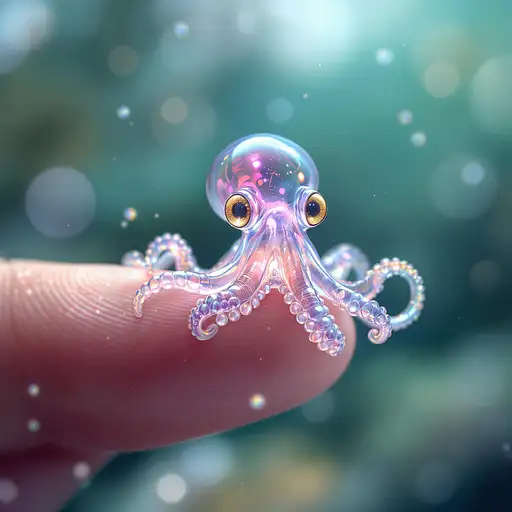
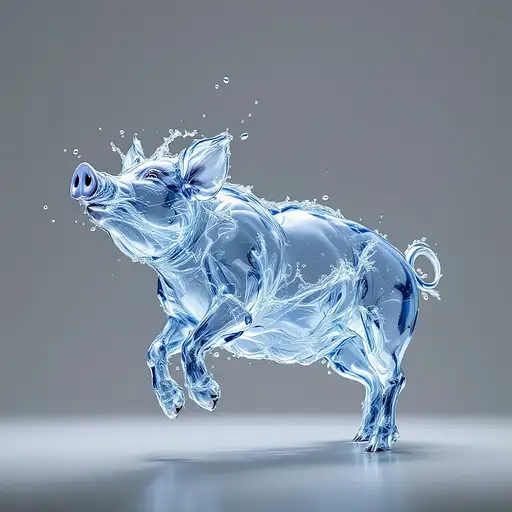
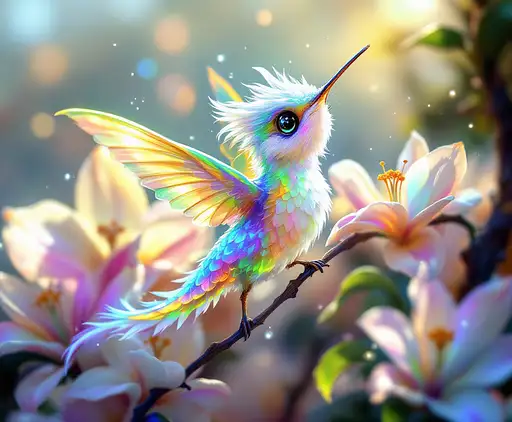
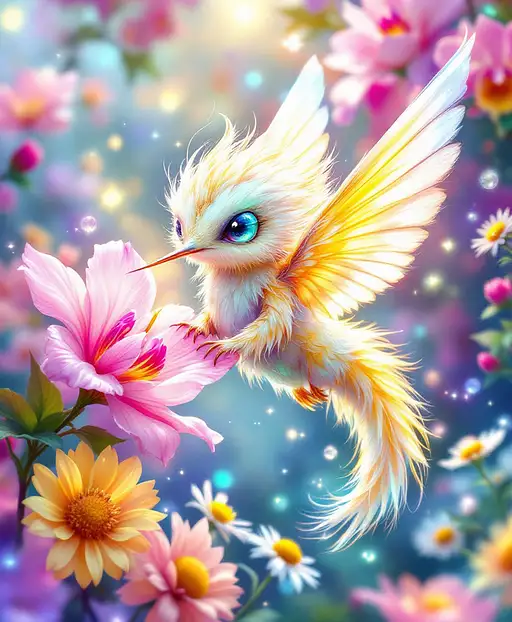
A sample prompt of what you can find in this page
Prompt by ElectricL

Her form is fluid and translucent prompts

very few results

6 months ago

(Primary Subject: Emotionally Expressive Android Woman with Dual-Layered Skin, Painted in Impressionist Classical Renaissance Style, 1.7 weight) — in the heart of a lush, sun-drenched garden overflowing with blossoms, an android woman stands quietly, her form captured in the painterly elegance of a Renaissance-era oil painting. Her body is sculpted and graceful, rendered with soft impressionist brushstrokes that blend into surreal detail—her figure radiant, yet ethereal, like a machine-angel frozen in time. Her “skin” is composed of two delicate, interwoven layers: The outer layer is smooth, reflective, and subtly fluid, shimmering with hints of pale pink, soft violet, and dusky gold, like liquid mercury caught in a sunset. It has the appearance of gently flowing molten glass, and catches the dappled garden light with painterly elegance. Beneath it, faintly visible through the translucent surface, lies a subdermal lattice—a softly glowing core of golden circuitry, like sacred geometry woven into synthetic muscle. It pulses faintly, like a slow heartbeat of light, giving her form an inner radiance, a soul made of signal (subtle luminous inner structure beneath transparent surface, 1.6 weight). She wears no armor, no exposed wires—only that liquid-smooth surface, glowing softly in the sun. A thin, continuous line of amber-orange light traces up the outside of her legs, over her hips, across her shoulders and arms, like a haloed signature etched into her form. Her visor-like faceplate—a curved golden-glass surface—reflects the garden’s warm light. Though faceless, her entire body language conveys profound emotion: one hand lightly touching her chest, the other extended gently toward a single open flower, as if remembering something. Her posture is soft, tender, almost melancholic—like a saint carved from future metal, lost in sacred thought. The garden blooms around her in classical beauty—roses, lilies, orchids, and surreal blossoms from impossible species. Sunlight pours through foliage in golden beams, casting her figure in a divine backlight. Petals drift in the air like thoughts. Her reflection shimmers faintly in a nearby pool. Rendered in the style of a classical oil painting—with visible brush textures, soft baroque lighting, volumetric haze, and subtle chiaroscuro across her form. The colors are rich and warm—sunset gold, floral crimson, blush pink, and soft lavender—interplaying with reflections in her skin like a moving canvas.

8 months ago

(Primary Subject: Emotionally Expressive Android Woman with Dual-Layered Skin, Painted in Impressionist Classical Renaissance Style, 1.7 weight) — in the heart of a lush, sun-drenched garden overflowing with blossoms, an android woman stands quietly, her form captured in the painterly elegance of a Renaissance-era oil painting. Her body is sculpted and graceful, rendered with soft impressionist brushstrokes that blend into surreal detail—her figure radiant, yet ethereal, like a machine-angel frozen in time. Her “skin” is composed of two delicate, interwoven layers: The outer layer is smooth, reflective, and subtly fluid, shimmering with hints of pale pink, soft violet, and dusky gold, like liquid mercury caught in a sunset. It has the appearance of gently flowing molten glass, and catches the dappled garden light with painterly elegance. Beneath it, faintly visible through the translucent surface, lies a subdermal lattice—a softly glowing core of golden circuitry, like sacred geometry woven into synthetic muscle. It pulses faintly, like a slow heartbeat of light, giving her form an inner radiance, a soul made of signal (subtle luminous inner structure beneath transparent surface, 1.6 weight). She wears no armor, no exposed wires—only that liquid-smooth surface, glowing softly in the sun. A thin, continuous line of amber-orange light traces up the outside of her legs, over her hips, across her shoulders and arms, like a haloed signature etched into her form. Her visor-like faceplate—a curved golden-glass surface—reflects the garden’s warm light. Though faceless, her entire body language conveys profound emotion: one hand lightly touching her chest, the other extended gently toward a single open flower, as if remembering something. Her posture is soft, tender, almost melancholic—like a saint carved from future metal, lost in sacred thought. The garden blooms around her in classical beauty—roses, lilies, orchids, and surreal blossoms from impossible species. Sunlight pours through foliage in golden beams, casting her figure in a divine backlight. Petals drift in the air like thoughts. Her reflection shimmers faintly in a nearby pool. Rendered in the style of a classical oil painting—with visible brush textures, soft baroque lighting, volumetric haze, and subtle chiaroscuro across her form. The colors are rich and warm—sunset gold, floral crimson, blush pink, and soft lavender—interplaying with reflections in her skin like a moving canvas.

8 months ago

Create a breathtaking and evocative double-exposure oil painting that beautifully captures the profound bond between humanity and nature, using the iconic imagery of Gorillas in the Mist. The painting should focus on the rich emotional depth of the gorillas and the lush, mist-covered landscape of the Congo, blending these elements in a way that symbolizes both the mystery of the jungle and the majesty of these endangered creatures. The central figure of the painting should be a majestic gorilla—painted with intricate detail to reflect the animal’s strength, intelligence, and vulnerability. Its face should be filled with quiet intensity, wisdom, and an almost human-like quality, conveying its deep emotional resonance. The gorilla’s eyes should be the focal point, expressive and full of emotion, perhaps suggesting the struggle for survival, a call for preservation, or an understanding of the delicate balance between nature and human interference. The double-exposure effect should allow the environment to emerge within its form, creating a stunning fusion of the animal and its misty, green habitat. The mist itself should flow through the gorilla’s body and face, creating an ethereal atmosphere that invokes the deep, mysterious quality of the jungle. Soft, translucent layers of paint should be used to capture the wisps of fog, blending into the contours of the gorilla’s powerful form. The mist should not only symbolize the natural environment but also reflect the presence of the unseen—the unseen dangers, the spiritual connection between the gorilla and the jungle, and the ongoing battle to protect these creatures from extinction. Surrounding the gorilla, the dense, vibrant foliage of the rainforest should be depicted in rich, lush greens, with hints of deep browns and subtle touches of vibrant wildflowers. Vines, leaves, and branches can emerge from the mist, merging with the gorilla’s figure, creating the sensation that it is a part of the jungle, and vice versa. The interplay of light and shadow within the leaves and the mist should evoke a sense of both serenity and mystery, with rays of sunlight filtering through the trees, casting soft, glowing highlights on the gorilla’s fur and the surrounding vegetation. The background should suggest both the wildness and fragility of the gorilla’s environment. Darker shades of green and brown can illustrate the dense canopy, while lighter, misty shades should evoke the sense of isolation and vulnerability. In the double-exposure technique, glimpses of the jungle’s wildlife—perhaps a subtle hint of a bird or a distant silhouette of another gorilla—can appear within the mist, symbolizing the delicate interconnectedness of life within the forest ecosystem. The color palette should shift between dark and light—rich earth tones that evoke the depth and complexity of the jungle, paired with the light, airy mist that suggests hope, fragility, and the need for preservation. The mist itself should be painted with fluid brushstrokes that contrast with the more textured rendering of the gorilla, creating a sense of life and motion in both the animal and its environment. This painting should not only represent the beauty and majesty of the gorillas but also serve as a powerful call for conservation. Through the double-exposure technique, it should blur the lines between the animal and its habitat, illustrating the inseparable bond between the two and the urgent need to protect these magnificent creatures from the encroaching threats of human activity. The result should be a masterpiece that blends realism with abstraction, capturing the raw, emotional beauty of the gorillas, the mystique of their environment, and the call for preservation. The viewer should feel immersed in this tranquil yet fragile world, experiencing the emotional weight of the subject matter while marveling at the intricacy and beauty of the painting itself

8 months ago

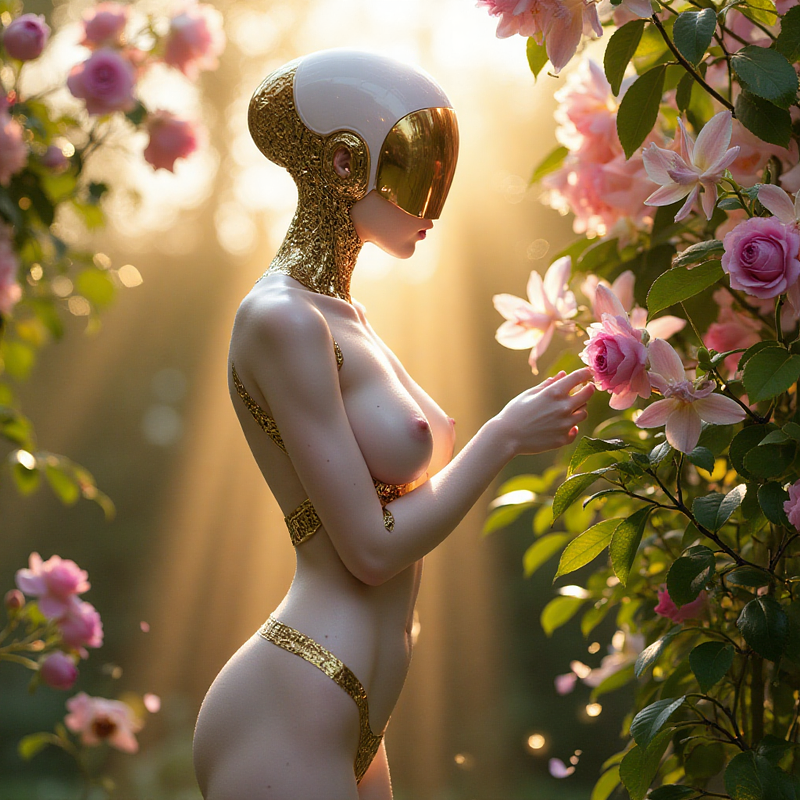
(Primary Subject: Emotionally Expressive Android Woman with Dual-Layered Skin, Painted in Impressionist Classical Renaissance Style, 1.7 weight) — in the heart of a lush, sun-drenched garden overflowing with blossoms, an android woman stands quietly, her form captured in the painterly elegance of a Renaissance-era oil painting. Her body is sculpted and graceful, rendered with soft impressionist brushstrokes that blend into surreal detail—her figure radiant, yet ethereal, like a machine-angel frozen in time. Her “skin” is composed of two delicate, interwoven layers: The outer layer is smooth, reflective, and subtly fluid, shimmering with hints of pale pink, soft violet, and dusky gold, like liquid mercury caught in a sunset. It has the appearance of gently flowing molten glass, and catches the dappled garden light with painterly elegance. Beneath it, faintly visible through the translucent surface, lies a subdermal lattice—a softly glowing core of golden circuitry, like sacred geometry woven into synthetic muscle. It pulses faintly, like a slow heartbeat of light, giving her form an inner radiance, a soul made of signal (subtle luminous inner structure beneath transparent surface, 1.6 weight). She wears no armor, no exposed wires—only that liquid-smooth surface, glowing softly in the sun. A thin, continuous line of amber-orange light traces up the outside of her legs, over her hips, across her shoulders and arms, like a haloed signature etched into her form. Her visor-like faceplate—a curved golden-glass surface—reflects the garden’s warm light. Though faceless, her entire body language conveys profound emotion: one hand lightly touching her chest, the other extended gently toward a single open flower, as if remembering something. Her posture is soft, tender, almost melancholic—like a saint carved from future metal, lost in sacred thought. The garden blooms around her in classical beauty—roses, lilies, orchids, and surreal blossoms from impossible species. Sunlight pours through foliage in golden beams, casting her figure in a divine backlight. Petals drift in the air like thoughts. Her reflection shimmers faintly in a nearby pool. Rendered in the style of a classical oil painting—with visible brush textures, soft baroque lighting, volumetric haze, and subtle chiaroscuro across her form. The colors are rich and warm—sunset gold, floral crimson, blush pink, and soft lavender—interplaying with reflections in her skin like a moving canvas.

6 months ago

A futuristic photoshoot showcasing an advanced, astronout full armor, suspended and displayed with vibrant, crisscrossing thick mooring straps that dominate the composition. The armor is crafted from a translucent, frosted material with a matte finish, giving it a smooth surface with a soft, cloudy translucency that gently reveals the interior, though slightly blurred. Inside, glowing plants and minimal electronic components emit soft hues of orange and green, adding a harmonious fusion of biotechnological and organic elements. The armor's design is abstract and avant-garde, moving away from traditional humanoid forms. It features elongated, flowing curves, irregular geometric shapes, and unexpected joints, evoking an astronout -like, organic structure. The sleek, minimalist exterior has no humanoid outline, suggesting a futuristic, imaginative design that's fluid and unconventional. The semi-translucent material provides a faint glimpse into the interior, where plants and components are subtly blurred, enhancing the armor’s ethereal, otherworldly presence. Suspended in mid-air, the armor is secured by vibrant mooring straps in electric blue, neon orange, and vivid green, which contrast sharply with the soft matte finish of the armor. These straps, used to hold the piece in place like a high-end art installation, create a striking juxtaposition between the sleek, futuristic design of the armor and the practical, utilitarian nature of the mooring system. The background is minimalist, featuring neutral tones and soft gradients that keep the focus on the armor. Organic elements like moss, exotic plants, and astronout -like flora in vibrant yellows, purples, and greens subtly enhance the futuristic design. This juxtaposition adds a touch of nature and life to the otherwise clean and technological aesthetic. The camera angle is unconventional, extremely close to the armor, allowing for an in-depth view of its intricate details, the texture of the frosted material, and the vibrant, chaotic mooring straps crisscrossing the background. The lighting is soft but precise, creating gentle reflections and highlights on the armor’s surface while emphasizing the contrast between the glowing plants, the minimalist structure, and the bold, bright neon straps. Captured in ultra-realistic, hyper-detailed 35mm photography style, this shot evokes the feel of a high-tech fashion magazine photoshoot, with every detail sharp and vivid, immersing the viewer in this futuristic and ethereal display. photorealistic. technology art magazine. artsy composition