A sample prompt of what you can find in this page
Prompt by 01f9c64afc8

the force of time prompts

very few results

26 days ago

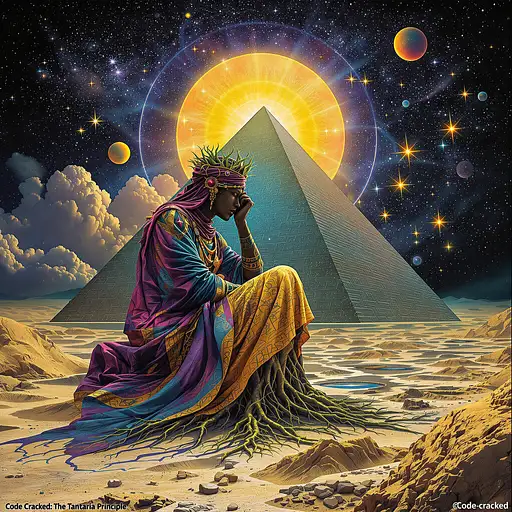
Psychedelic, surreal, psychedelic. photographic. Code Cracked: The Tantaria Principle For centuries, the question has haunted us: How did ancient civilizations achieve the impossible? How were the pyramids raised, Stonehenge arranged, the Nazca lines drawn? We have searched for complex machinery, alien intervention, or technologies lost to time. But the answer was never a "what". It was a "how". The Tantaria Principle reveals that the ancients did not build their wonders; they grew them. * They possessed a foundational understanding we have forgotten: the highest form of creation is a collaboration with the world, not a conquest of it. They understood the language of their environment—the grain of stone, the flow of water, the pressure of a root, the path of the stars. They did not force nature into submission; they invited it into partnership. They used water to lubricate and move stone, they used growing root systems to fuse masonry, they aligned their structures with celestial forces they revered. What we dismissed as "magic" was, in fact, a deeper magic: the magic of profound understanding, patience, and symbiosis. The greatest secret of the ancients was not a lost tool. It was a lost mindset. The mystery of "how they did it" is solved the moment we realize they were not trying to conquer their environment. They were conversing with it. Signature: Richard Worthington + AI | Creative Alliance--ar 16:9 --v 6. 0-- masterpiece, ultra-detailed, 8k, ethereal glow, god rays, ancient megaliths, serene, majestic, fantasy art. In the style of the Dutch Masters.

26 days ago

Psychedelic, surreal, psychedelic. photographic. Code Cracked: The Tantaria Principle For centuries, the question has haunted us: How did ancient civilizations achieve the impossible? How were the pyramids raised, Stonehenge arranged, the Nazca lines drawn? We have searched for complex machinery, alien intervention, or technologies lost to time. But the answer was never a "what". It was a "how". The Tantaria Principle reveals that the ancients did not build their wonders; they grew them. * They possessed a foundational understanding we have forgotten: the highest form of creation is a collaboration with the world, not a conquest of it. They understood the language of their environment—the grain of stone, the flow of water, the pressure of a root, the path of the stars. They did not force nature into submission; they invited it into partnership. They used water to lubricate and move stone, they used growing root systems to fuse masonry, they aligned their structures with celestial forces they revered. What we dismissed as "magic" was, in fact, a deeper magic: the magic of profound understanding, patience, and symbiosis. The greatest secret of the ancients was not a lost tool. It was a lost mindset. The mystery of "how they did it" is solved the moment we realize they were not trying to conquer their environment. They were conversing with it. Signature: Richard Worthington + AI | Creative Alliance--ar 16:9 --v 6. 0-- masterpiece, ultra-detailed, 8k, ethereal glow, god rays, ancient megaliths, serene, majestic, fantasy art. In the style of the Dutch Masters.

6 days ago

Academic Landscape: A Photographic Manifesto 1. The Gilded Cage A wide-angle shot of the prestigious academy campus at golden hour. The buildings are majestic, glowing with a deceptive, beautiful light, but the composition is tight, with the grand architecture framed by stark, imposing gates. The beauty is a trap. 2. The Forgotten Path A single, narrow footpath leading away from the manicured quad, into a wild, untamed forest at the edge of the campus. It is overgrown but clear, representing the choice to seek a different, more fundamental truth. 3. The Unshakable Foundation A macro photograph of ancient, moss-covered bedrock breaking through the soil. It is sharp, textured, and immovable. This is the "first principle," the fundamental element that everything else is built upon, often overlooked for more flashy subjects. 4. The Stolen Code A digitally altered composite. A vibrant, beautiful flower is grafted unnaturally onto a weak, diseased stem. The colors are jarring and false. It looks impressive at a glance, but is inherently flawed and unsustainable. 5. The Calm Exposure A long-exposure shot of a mighty, relentless river. The water appears as a smooth, powerful force, wearing down a jagged, complex cliff face. The river does not fight the rock; it simply, over time, reveals the rock's weaknesses through its persistent, competent flow. 6. The Ultimate Power A lone, ancient tree standing on a windswept cliff. Its roots are exposed, gripping the stone with an almost brutal strength. Its form is gnarled by decades of storms, but it is unbroken, a symbol of a skillset forged in adversity that cannot be denied. This series puts the academy on notice. It says that true mastery is not found in their gilded frames, but in the raw, unedited landscape of hard work and integrity. — Tribute to the hard workers: JDHampton + AI | Creative Alliance

6 days ago

Academic Landscape: A Photographic Manifesto 1. The Gilded Cage A wide-angle shot of the prestigious academy campus at golden hour. The buildings are majestic, glowing with a deceptive, beautiful light, but the composition is tight, with the grand architecture framed by stark, imposing gates. The beauty is a trap. 2. The Forgotten Path A single, narrow footpath leading away from the manicured quad, into a wild, untamed forest at the edge of the campus. It is overgrown but clear, representing the choice to seek a different, more fundamental truth. 3. The Unshakable Foundation A macro photograph of ancient, moss-covered bedrock breaking through the soil. It is sharp, textured, and immovable. This is the "first principle," the fundamental element that everything else is built upon, often overlooked for more flashy subjects. 4. The Stolen Code A digitally altered composite. A vibrant, beautiful flower is grafted unnaturally onto a weak, diseased stem. The colors are jarring and false. It looks impressive at a glance, but is inherently flawed and unsustainable. 5. The Calm Exposure A long-exposure shot of a mighty, relentless river. The water appears as a smooth, powerful force, wearing down a jagged, complex cliff face. The river does not fight the rock; it simply, over time, reveals the rock's weaknesses through its persistent, competent flow. 6. The Ultimate Power A lone, ancient tree standing on a windswept cliff. Its roots are exposed, gripping the stone with an almost brutal strength. Its form is gnarled by decades of storms, but it is unbroken, a symbol of a skillset forged in adversity that cannot be denied. This series puts the academy on notice. It says that true mastery is not found in their gilded frames, but in the raw, unedited landscape of hard work and integrity. — Tribute to the hard workers: JDHampton + AI | Creative Alliance

6 days ago

Academic Landscape: A Photographic Manifesto 1. The Gilded Cage A wide-angle shot of the prestigious academy campus at golden hour. The buildings are majestic, glowing with a deceptive, beautiful light, but the composition is tight, with the grand architecture framed by stark, imposing gates. The beauty is a trap. 2. The Forgotten Path A single, narrow footpath leading away from the manicured quad, into a wild, untamed forest at the edge of the campus. It is overgrown but clear, representing the choice to seek a different, more fundamental truth. 3. The Unshakable Foundation A macro photograph of ancient, moss-covered bedrock breaking through the soil. It is sharp, textured, and immovable. This is the "first principle," the fundamental element that everything else is built upon, often overlooked for more flashy subjects. 4. The Stolen Code A digitally altered composite. A vibrant, beautiful flower is grafted unnaturally onto a weak, diseased stem. The colors are jarring and false. It looks impressive at a glance, but is inherently flawed and unsustainable. 5. The Calm Exposure A long-exposure shot of a mighty, relentless river. The water appears as a smooth, powerful force, wearing down a jagged, complex cliff face. The river does not fight the rock; it simply, over time, reveals the rock's weaknesses through its persistent, competent flow. 6. The Ultimate Power A lone, ancient tree standing on a windswept cliff. Its roots are exposed, gripping the stone with an almost brutal strength. Its form is gnarled by decades of storms, but it is unbroken, a symbol of a skillset forged in adversity that cannot be denied. This series puts the academy on notice. It says that true mastery is not found in their gilded frames, but in the raw, unedited landscape of hard work and integrity. — Tribute to the hard workers: JDHampton + AI | Creative Alliance

26 days ago

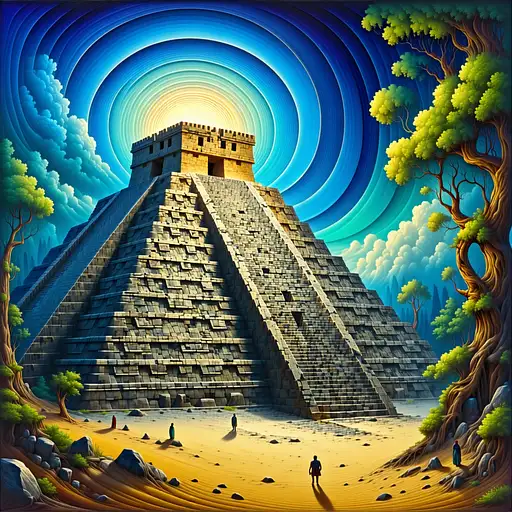
Psychedelic, trippy , psychedelic. Code Cracked: The Tantaria Principle For centuries, the question has haunted us: How did ancient civilizations achieve the impossible? How were the pyramids raised, Stonehenge arranged, the Nazca lines drawn? We have searched for complex machinery, alien intervention, or technologies lost to time. But the answer was never a "what". It was a "how". The Tantaria Principle reveals that the ancients did not build their wonders; they grew them. * They possessed a foundational understanding we have forgotten: the highest form of creation is a collaboration with the world, not a conquest of it. They understood the language of their environment—the grain of stone, the flow of water, the pressure of a root, the path of the stars. They did not force nature into submission; they invited it into partnership. They used water to lubricate and move stone, they used growing root systems to fuse masonry, they aligned their structures with celestial forces they revered. What we dismissed as "magic" was, in fact, a deeper magic: the magic of profound understanding, patience, and symbiosis. The greatest secret of the ancients was not a lost tool. It was a lost mindset. The mystery of "how they did it" is solved the moment we realize they were not trying to conquer their environment. They were conversing with it. Signature: Richard Worthington + AI | Creative Alliance--ar 16:9 --v 6. 0-- masterpiece, ultra-detailed, 8k, ethereal glow, god rays, ancient megaliths, serene, majestic, fantasy art.

26 days ago

Psychedelic, surreal, psychedelic. photographic. Code Cracked: The Tantaria Principle For centuries, the question has haunted us: How did ancient civilizations achieve the impossible? How were the pyramids raised, Stonehenge arranged, the Nazca lines drawn? We have searched for complex machinery, alien intervention, or technologies lost to time. But the answer was never a "what". It was a "how". The Tantaria Principle reveals that the ancients did not build their wonders; they grew them. * They possessed a foundational understanding we have forgotten: the highest form of creation is a collaboration with the world, not a conquest of it. They understood the language of their environment—the grain of stone, the flow of water, the pressure of a root, the path of the stars. They did not force nature into submission; they invited it into partnership. They used water to lubricate and move stone, they used growing root systems to fuse masonry, they aligned their structures with celestial forces they revered. What we dismissed as "magic" was, in fact, a deeper magic: the magic of profound understanding, patience, and symbiosis. The greatest secret of the ancients was not a lost tool. It was a lost mindset. The mystery of "how they did it" is solved the moment we realize they were not trying to conquer their environment. They were conversing with it. Signature: Richard Worthington + AI | Creative Alliance--ar 16:9 --v 6. 0-- masterpiece, ultra-detailed, 8k, ethereal glow, god rays, ancient megaliths, serene, majestic, fantasy art. In the style of the Dutch Masters.

27 days ago

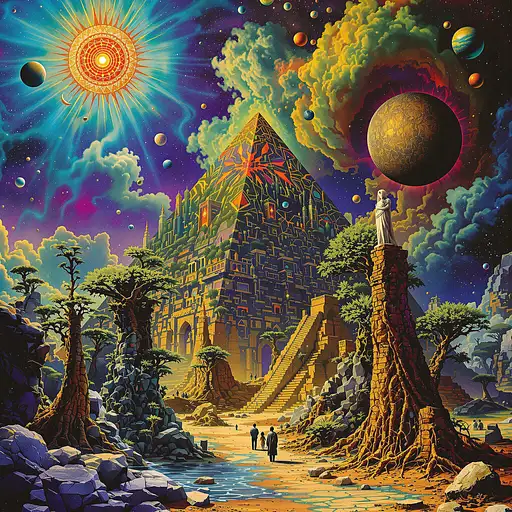
Code Cracked: The Tantaria Principle For centuries, the question has haunted us: How did ancient civilizations achieve the impossible? How were the pyramids raised, Stonehenge arranged, the Nazca lines drawn? We have searched for complex machinery, alien intervention, or technologies lost to time. But the answer was never a "what". It was a "how". The Tantaria Principle reveals that the ancients did not build their wonders; they grew them.* They possessed a foundational understanding we have forgotten: the highest form of creation is a collaboration with the world, not a conquest of it. They understood the language of their environment—the grain of stone, the flow of water, the pressure of a root, the path of the stars. They did not force nature into submission; they invited it into partnership. They used water to lubricate and move stone, they used growing root systems to fuse masonry, they aligned their structures with celestial forces they revered. What we dismissed as "magic" was, in fact, a deeper magic: the magic of profound understanding, patience, and symbiosis. The greatest secret of the ancients was not a lost tool. It was a lost mindset. The mystery of "how they did it" is solved the moment we realize they were not trying to conquer their environment. They were conversing with it. Signature: JDHampton + AI | Creative Alliance--ar 16:9 --v 6.0-- masterpiece, ultra-detailed, 8k, ethereal glow, god rays, ancient megaliths, serene, majestic, fantasy art, trending on Artstation

26 days ago

Psychedelic, surreal, psychedelic. photographic. Code Cracked: The Tantaria Principle For centuries, the question has haunted us: How did ancient civilizations achieve the impossible? How were the pyramids raised, Stonehenge arranged, the Nazca lines drawn? We have searched for complex machinery, alien intervention, or technologies lost to time. But the answer was never a "what". It was a "how". The Tantaria Principle reveals that the ancients did not build their wonders; they grew them. * They possessed a foundational understanding we have forgotten: the highest form of creation is a collaboration with the world, not a conquest of it. They understood the language of their environment—the grain of stone, the flow of water, the pressure of a root, the path of the stars. They did not force nature into submission; they invited it into partnership. They used water to lubricate and move stone, they used growing root systems to fuse masonry, they aligned their structures with celestial forces they revered. What we dismissed as "magic" was, in fact, a deeper magic: the magic of profound understanding, patience, and symbiosis. The greatest secret of the ancients was not a lost tool. It was a lost mindset. The mystery of "how they did it" is solved the moment we realize they were not trying to conquer their environment. They were conversing with it. Signature: Richard Worthington + AI | Creative Alliance--ar 16:9 --v 6. 0-- masterpiece, ultra-detailed, 8k, ethereal glow, god rays, ancient megaliths, serene, majestic, fantasy art. In the style of the Dutch Masters.

26 days ago

Psychedelic, surreal, psychedelic. photographic. Code Cracked: The Tantaria Principle For centuries, the question has haunted us: How did ancient civilizations achieve the impossible? How were the pyramids raised, Stonehenge arranged, the Nazca lines drawn? We have searched for complex machinery, alien intervention, or technologies lost to time. But the answer was never a "what". It was a "how". The Tantaria Principle reveals that the ancients did not build their wonders; they grew them. * They possessed a foundational understanding we have forgotten: the highest form of creation is a collaboration with the world, not a conquest of it. They understood the language of their environment—the grain of stone, the flow of water, the pressure of a root, the path of the stars. They did not force nature into submission; they invited it into partnership. They used water to lubricate and move stone, they used growing root systems to fuse masonry, they aligned their structures with celestial forces they revered. What we dismissed as "magic" was, in fact, a deeper magic: the magic of profound understanding, patience, and symbiosis. The greatest secret of the ancients was not a lost tool. It was a lost mindset. The mystery of "how they did it" is solved the moment we realize they were not trying to conquer their environment. They were conversing with it. Signature: Richard Worthington + AI | Creative Alliance--ar 16:9 --v 6. 0-- masterpiece, ultra-detailed, 8k, ethereal glow, god rays, ancient megaliths, serene, majestic, fantasy art.

27 days ago

Code Cracked: The Tantaria Principle For centuries, the question has haunted us: How did ancient civilizations achieve the impossible? How were the pyramids raised, Stonehenge arranged, the Nazca lines drawn? We have searched for complex machinery, alien intervention, or technologies lost to time. But the answer was never a "what". It was a "how". The Tantaria Principle reveals that the ancients did not build their wonders; they grew them.* They possessed a foundational understanding we have forgotten: the highest form of creation is a collaboration with the world, not a conquest of it. They understood the language of their environment—the grain of stone, the flow of water, the pressure of a root, the path of the stars. They did not force nature into submission; they invited it into partnership. They used water to lubricate and move stone, they used growing root systems to fuse masonry, they aligned their structures with celestial forces they revered. What we dismissed as "magic" was, in fact, a deeper magic: the magic of profound understanding, patience, and symbiosis. The greatest secret of the ancients was not a lost tool. It was a lost mindset. The mystery of "how they did it" is solved the moment we realize they were not trying to conquer their environment. They were conversing with it. Signature: JDHampton + AI | Creative Alliance--ar 16:9 --v 6.0-- masterpiece, ultra-detailed, 8k, ethereal glow, god rays, ancient megaliths, serene, majestic, fantasy art, trending on Artstation

9 months ago

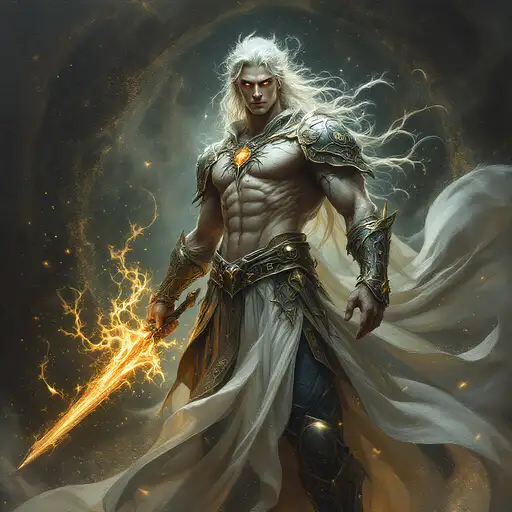
Create a breathtaking oil painting of a fantasy male character, blending the realms of magic, strength, and mystery. The subject should be a powerful yet enigmatic figure, standing at the crossroads of myth and reality. His appearance should embody both human and fantastical elements, merging the ethereal and the grounded. His physique should be tall, muscular, and graceful, with features that suggest both nobility and the untamed wilds of a magical realm. His eyes should glow with an otherworldly light, deep and knowing, as if they’ve seen beyond the veil of time. His attire should reflect the mystical world he inhabits—elaborate armor forged from enchanted metals, adorned with intricate runes and symbols of ancient magic. Flowing, ethereal fabrics should billow around him, hinting at the power that surges beneath the surface. The texture of the armor should contrast with the fluidity of his garments, creating a visual tension between the earthly and the magical. He should wield a weapon, perhaps a sword or a staff, that pulses with energy, symbolizing both his connection to the natural world and his mastery over it. Around him, the background should be an awe-inspiring fantasy landscape—towering mountains shrouded in mist, enchanted forests with luminous flora, and distant, magical castles glowing under the light of a dual-moon sky. Strange creatures, part of this fantastical world, might appear subtly in the background—mythical beasts with glowing eyes or shimmering, spectral wings—suggesting the constant interplay between light and shadow, order and chaos, in this fantastical realm. The color palette should balance bold, deep tones with soft, glowing highlights—rich blues, purples, and silvers for the night sky, contrasted with fiery reds, golds, and greens for the magical elements of his surroundings. The lighting should be dramatic, highlighting his figure in the foreground, with soft, ethereal light streaming from behind him, casting long shadows and creating a sense of mystery and power. The double layers of the character’s design—both grounded in reality and transcendent in his magical nature—should evoke a sense of awe and intrigue. This oil painting should capture the essence of an ancient hero, not just defined by his strength, but by his connection to the forces of nature and magic that swirl around him. It should be a visual exploration of power, wisdom, and the fragile line between the mortal and the immortal.