Model Information
Description
DALL·E is a text-to-image model by OpenAI.
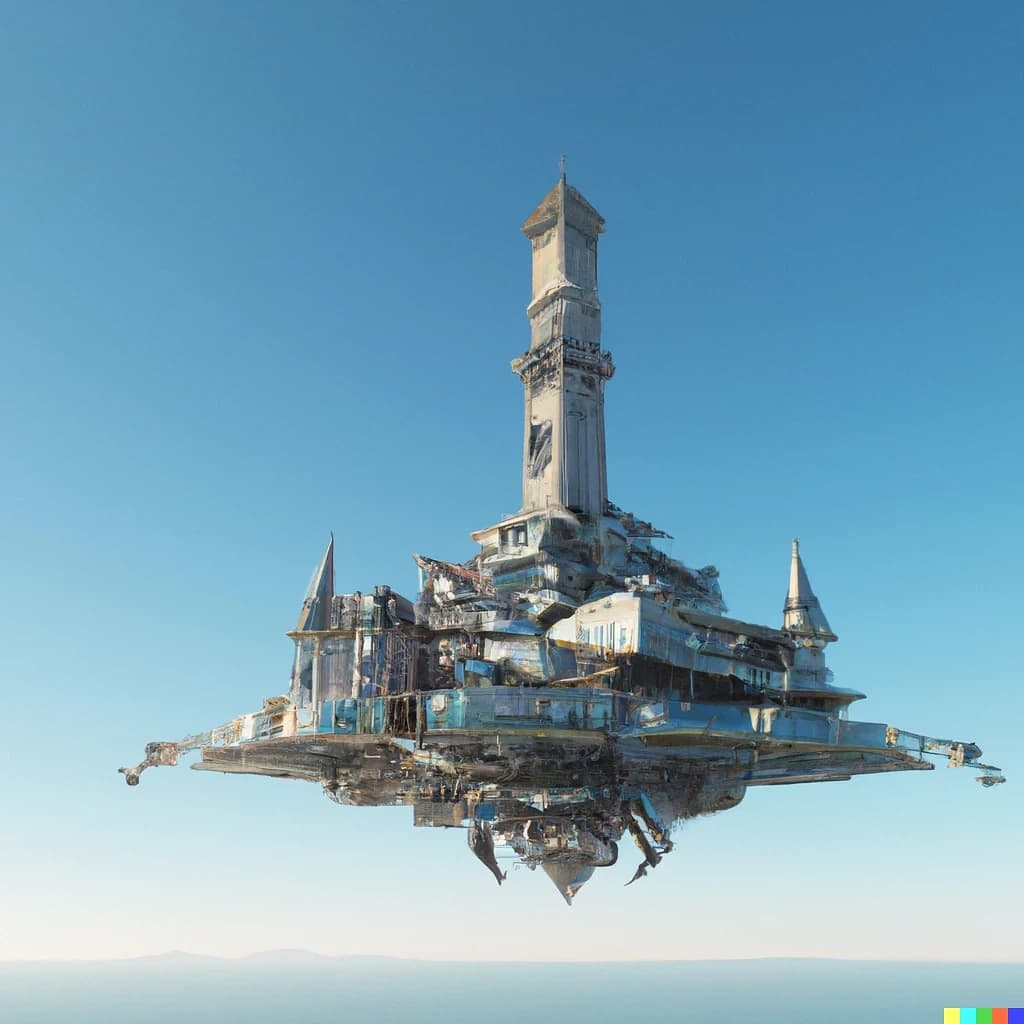
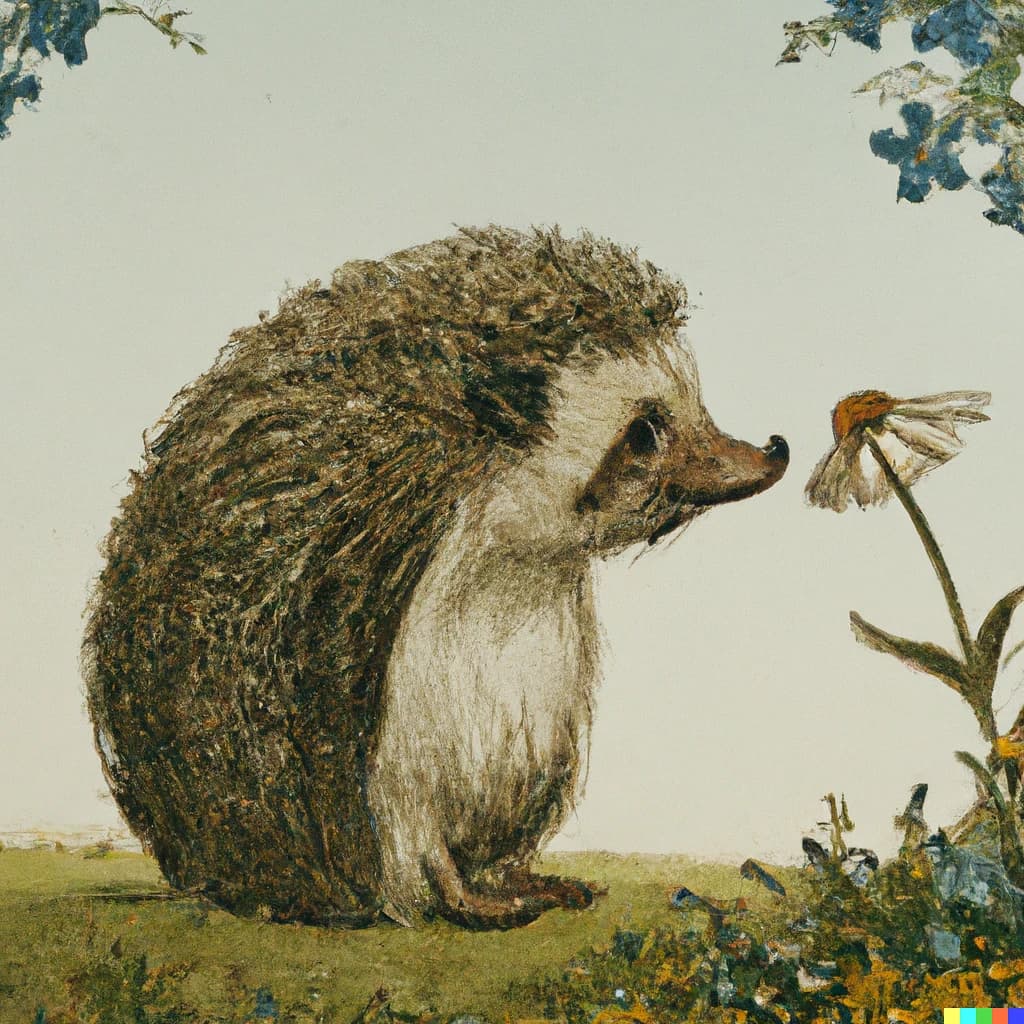
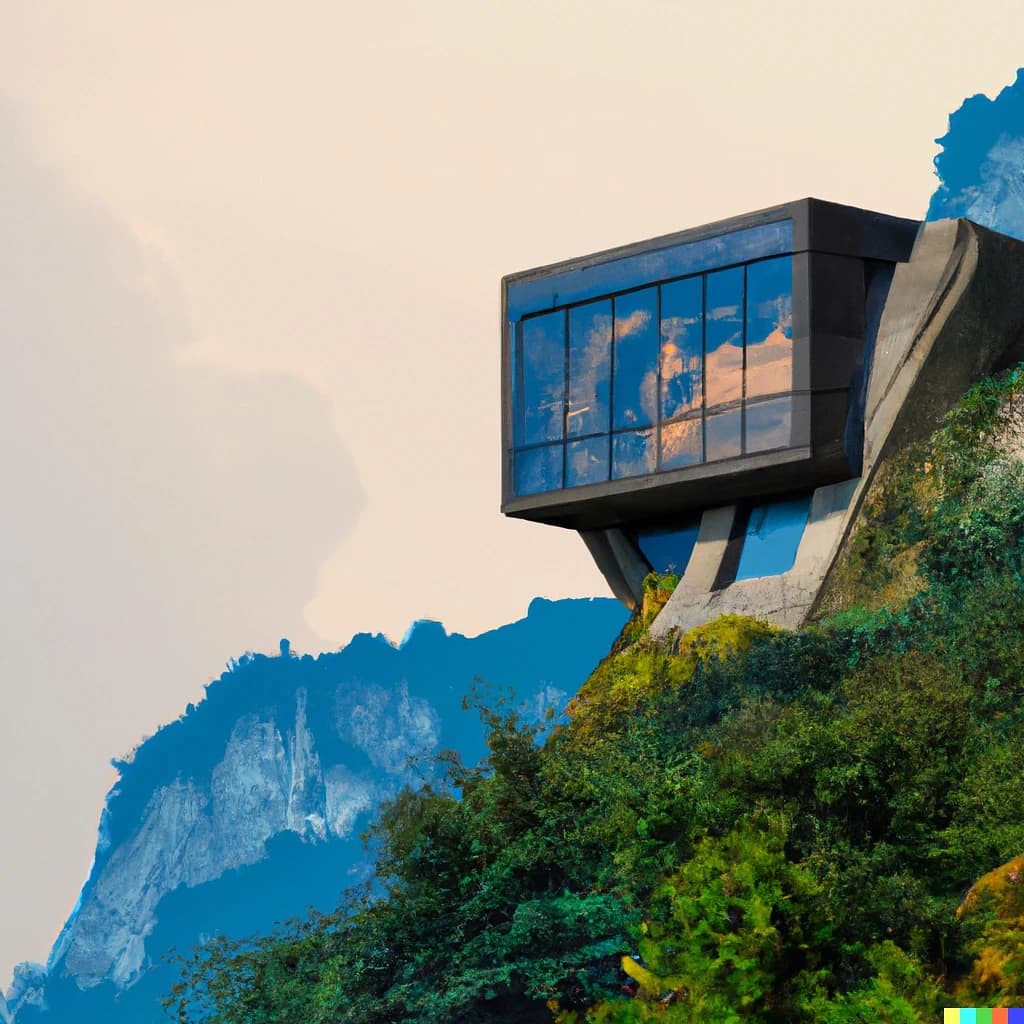
DALL-E 2 is capable of creating images from written descriptions. This is an evolution of the original DALL-E, which was also able to generate images from text prompts, but DALL-E 2 is designed to create more realistic and high-resolution images. It's also capable of combining different concepts, attributes, and styles in innovative ways.
The AI works by receiving a text prompt, interpreting it, and then generating an image that matches the description. This can result in unique and previously unseen creations, as DALL-E 2 has the ability to combine unrelated concepts and generate images of objects that don't exist in the real world. DALL-E 2 can also generate variations of an existing image, modify it, or even expand upon it.
Despite its impressive capabilities, DALL-E 2 is not without limitations or concerns. For instance, it sometimes struggles with distinguishing between similar phrases or prompts. There are also ethical concerns, such as the potential for the technology to be used to create deepfakes or other forms of misinformation. Other concerns include potential biases in the AI's outputs and the possibility of it leading to job losses in creative fields.
Nevertheless, the technology has been positively received overall, with various companies integrating DALL-E 2 into their own applications. Microsoft, for example, has implemented DALL-E 2 into their Designer app and Image Creator tool. Despite some criticism, particularly from the art community, DALL-E 2 has been hailed as a significant step forward in AI technology.
DALL-E is a sibling to the famous GPT-3, but whereas GPT-3 uses language models to generate human-like text, DALL-E generates images from textual inputs. What makes DALL-E fascinating is its ability to create novel, often surreal, and sometimes humorous images based on prompts that combine unrelated or even contradictory concepts.
One of the most impressive aspects of DALL-E is its ability to understand and visualize abstract concepts. For example, if given the prompt "an armchair in the shape of an avocado," DALL-E will generate a variety of images depicting just that - armchairs designed to resemble avocados. This is a demonstration of its comprehension of not only simple object recognition, but also the understanding of more complex semantic relationships.
DALL-E's creative abilities have opened up exciting possibilities for design and art. It can generate a wide range of images, from realistic renderings of everyday objects to fantastical creations that defy the laws of physics. Furthermore, it can create variations of the same concept, offering multiple design options based on a single prompt. This makes DALL-E an incredibly powerful tool for artists, designers, and other creative professionals, allowing them to explore new ideas and push the boundaries of their creativity.
However, it's worth noting that DALL-E's capabilities also raise important ethical and legal questions. As it can generate original images based on textual prompts, issues around copyright, intellectual property, and the originality of AI-generated art come to the forefront. These are challenges that society will need to address as AI technology continues to evolve and mature.
DALL·E
Model Details
- Type
- AI Model
- Task
- text-to-image
- Subtype
- Closed source
- Created
- Updated
- December 10, 2025